Dimmable LED Bulbs: How to Avoid Flicker and Buzz
Understand why dimmable LED bulbs flicker or buzz and how to choose compatible bulbs and dimmers for smooth, quiet, low-level dimming.
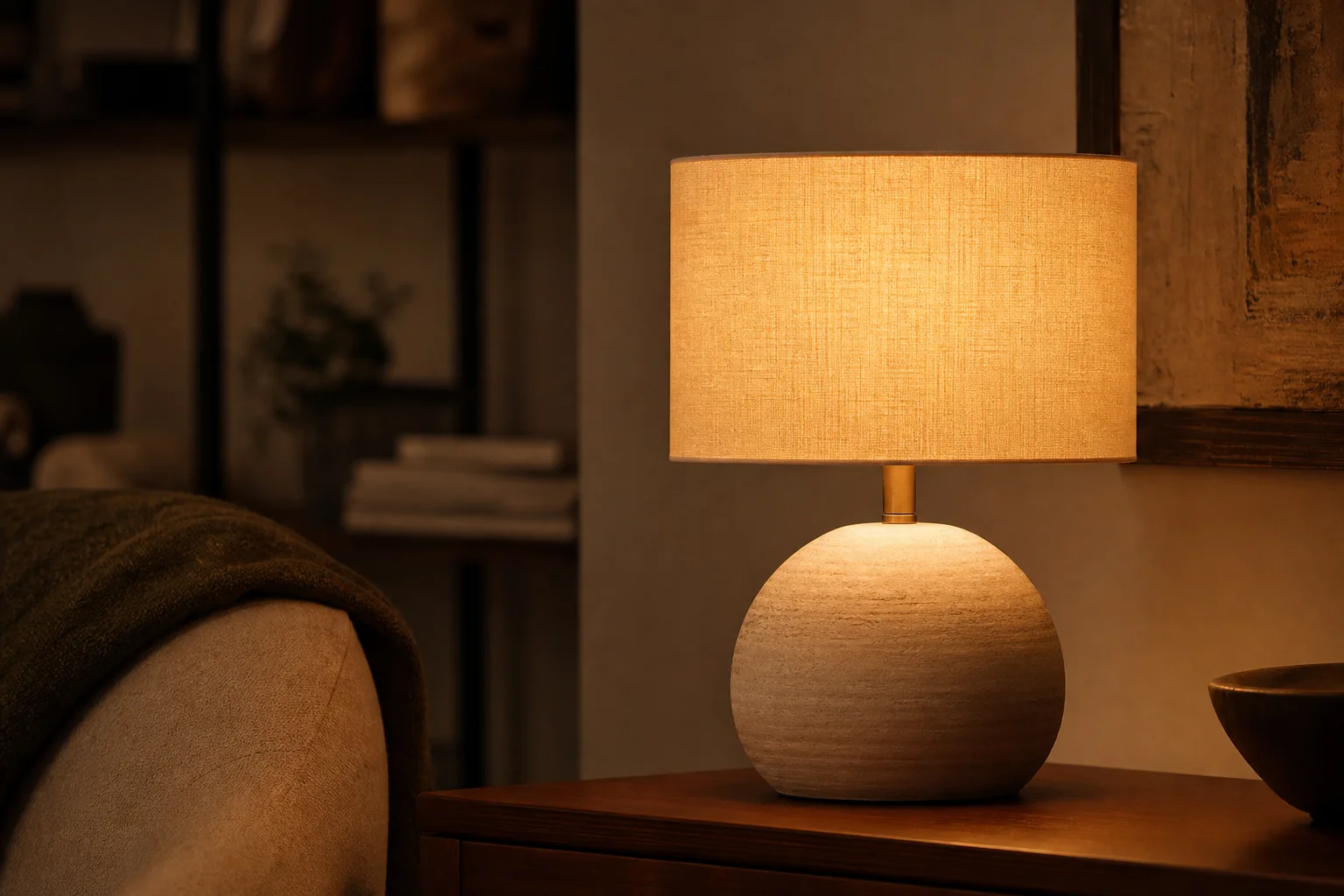
Smooth dimming checklist
- Buy bulbs clearly marked dimmable.
- Use one bulb brand and model per circuit.
- Choose an LED-rated dimmer, not an old incandescent one.
- Stay within the dimmer’s minimum and maximum wattage.
- Check the maker’s bulb-and-dimmer compatibility list.
The quick answer
Most dimmable LED problems come from a mismatch between the bulb and the dimmer. Use bulbs clearly marked "dimmable" and pair them with a dimmer the bulb maker lists as compatible, ideally a modern LED-rated dimmer rather than an older one designed for incandescent bulbs.
When flicker or buzz appears, the fix is usually a compatibility change, not a fault in the light itself.
Why dimmable LEDs flicker
LED bulbs use a small internal driver, and older dimmers designed for high-wattage incandescent bulbs can leave the load too low to run smoothly. That mismatch shows up as flicker, a narrow dimming range, or lights that do not turn fully off.
Mixing several different bulb brands on one dimmer can also cause uneven behavior, because each driver responds slightly differently.
Choose the right bulbs
Buy bulbs explicitly labeled dimmable; standard LED bulbs are not designed to dim and may flicker or fail early on a dimmer. Use the same brand and model across one circuit so they respond consistently.
Check the lumen and color figures too, and pick warm bulbs around 2700K–3000K for living areas and bedrooms if you want a cozy low-level glow.
Match the dimmer to the load
Use a dimmer rated for LED loads and stay within its minimum and maximum wattage range. Because LEDs draw little power, a handful of bulbs can fall below an old dimmer’s minimum, which causes poor low-end control.
Manufacturers publish compatibility lists pairing specific bulbs with specific dimmers. Checking that list before buying prevents most problems.
Lamps with built-in dimming
Some lamps include their own dimming or multiple light modes and do not use a wall dimmer at all. In that case, follow the lamp’s own bulb requirements and simply use the built-in control rather than adding an external dimmer.
A touch-controlled lamp with several brightness modes is an easy way to get smooth low-level light without wiring a dimmer switch.
Frequently asked questions
Why do my dimmable LED bulbs flicker?
Flicker usually comes from a mismatch between the bulb and the dimmer. Older dimmers made for incandescent bulbs often cannot run the low load of LEDs smoothly. Use dimmable-rated bulbs with an LED-rated dimmer the maker lists as compatible.
Do I need a special dimmer for LED bulbs?
Usually yes. An LED-rated dimmer handles the low power draw of LED bulbs far better than an older incandescent dimmer, giving a wider, smoother dimming range and less buzz. Stay within its minimum and maximum wattage.
Can any LED bulb be dimmed?
No. Only bulbs explicitly labeled dimmable are designed to dim. Standard LED bulbs may flicker, buzz, or fail early on a dimmer, so check the label before buying.
Related lighting guides
- How Many Lumens Do You Need? A Room-by-Room Guide
- Warm vs. Cool Light for a Bedroom
- Best Lighting for Reading: A Comfortable Setup
Guidance is based on established residential-lighting conventions. Verify room measurements, local requirements, and product instructions before installation or use.